The Ultimate Showdown: Samsung Galaxy Z Flip 7 vs Nothing Phone 3 for 2026
Choosing a new smartphone in 2026 often comes down to more than raw performance: buyers weigh design, daily ergonomics, update policies, and long-term value. The Samsung Galaxy Z Flip 7 and the Nothing Phone 3 represent two very different philosophies. Samsung doubles down on the foldable, compact, and versatile clamshell form factor, blending pocketability with a large inner screen. Nothing continues to pursue a distinctive, design-forward approach with a semi-transparent chassis and a focus on approachable software and practical features. This article breaks down how each phone performs in real-world scenarios, compares strengths and weaknesses across meaningful categories, and offers a pragmatic buying guide to help readers decide which device better suits their needs.
What buyers typically care about
When deciding between two flagship-class phones, most buyers care about:
- Daily comfort and pocketability: How the phone fits in a pocket, hand, or purse and how it behaves during one-handed use.
- Display and media experience: Screen quality for video, scrolling, and multitasking.
- Camera performance: Real-world photo and video quality across lighting conditions.
- Battery life and charging: All-day endurance and practical charge speeds.
- Durability and repairability: How the device handles drops, water, and long-term wear—plus ease and cost of repairs.
- Software and updates: OS experience, feature set, and software support longevity.
- Value and ecosystem: Resale, trade-in options, and how well the phone integrates with other devices.
Detailed product analysis
Design & build: pocket-friendly fold vs signature transparency
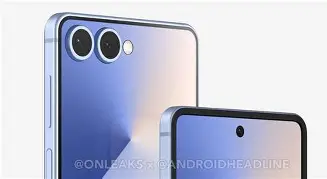
The Galaxy Z Flip 7 anchors its appeal in the foldable clamshell design. When folded, it becomes markedly more compact than any traditional slab; unfolding reveals a tall inner display that mimics the immersive feeling of a larger phone in a smaller footprint. This is particularly valuable for commuters and people who prefer minimal pockets or often carry small bags. The Flip series has matured to offer a satisfying hinge action and improved external cover screen that surfaces notifications, widgets, and quick camera controls without fully opening the device.
The Nothing Phone 3 continues Nothing’s design-first ethos: a semi-transparent back, visible components, and refined minimalism that stands out in a sea of similar glass slabs. Its tactile build and lightweight feel make it comfortable for extended use. For buyers who prioritize design as an expression of personal taste, the Phone 3 retains a unique look that sparks conversation.
Display and day-to-day usability
Samsung’s strengths shine in panel quality. The inner foldable Display on the Z Flip 7 typically delivers deep blacks, high peak brightness, and color accuracy—attributes valuable for streaming video outdoors or editing photos. The cover screen has evolved from a utility glance screen to a mini control surface. For users who value media consumption and one-handed quick interactions without unfolding the device, the Flip’s two-screen dynamic is a real advantage.
Nothing’s Phone 3 tends to emphasize clean software and a pleasing main display with high refresh rates. The experience is classic: smooth scrolling, bright colors, and an interface designed to highlight the phone’s distinctive exterior. Where it doesn’t match the Flip is sheer surface area in a compact form factor—if a large screen in a small folded package matters, the flip edges out the Phone 3.
Performance and daily responsiveness
Both phones target mainstream flagship performance for 2026. In everyday use—messaging, navigation, social apps, and multitasking—both feel snappy. Buyers who prioritize raw CPU/GPU benchmarks and sustained gaming performance should examine model-specific chipsets and thermal behavior, but for most users the real-world difference in daily responsiveness is subtle. The Flip’s dual-screen workflows and Nothing’s clean UI approach yield complementary performance advantages depending on the use case.
Camera systems and photographic behavior
Camera quality is often a decisive factor. Samsung’s foldables have historically paired competitive sensors with strong software processing, especially for low-light scenes and night photography. The Flip 7 benefits from its folding design by enabling creative selfie workflows—using the external display as a viewfinder for higher-resolution rear cameras. This makes it handy for vloggers or anyone who prefers higher-quality front-facing captures without sacrificing portability.
Looking for the best Mobile Phones deals on Amazon?
See Deals →Nothing’s camera strategy emphasizes straightforward results and natural color science. The Phone 3 is likely to deliver reliably pleasing daytime shots and clearer, less-processed images that some photographers prefer. Where it may lag is in extreme low-light scenes or telephoto reach, depending on sensor configuration, but for many social-media-first users the Phone 3’s cameras are more than capable.
Battery life and charging practicality
Battery expectations differ by usage. The Flip 7’s compact folded form imposes tighter constraints on battery capacity relative to larger slabs. In practice, it typically lasts a full day under moderate use, though heavy media playback or gaming may require a top-up. Its flexible charging features—fast wired charging, wireless charging, and reverse wireless—align with Samsung’s ecosystem conveniences.
Phone 3 tends to offer competitive full-day battery life, often leaning toward slightly larger capacities given its slab form. Charging speeds and wireless features will be decisive for users who top up frequently; Nothing’s pragmatic approach focuses on real-world charging convenience rather than headline watt numbers.
Software, updates, and long-term support
Software matters more than ever. Samsung pairs its hardware with a feature-rich Android skin and promises multi-year OS and security updates—an important consideration for buyers who plan to keep a phone beyond two years. The Flip 7’s software optimizations for folding interactions and cover-screen behaviors add visible daily value.
Nothing’s OS aims for a lighter, design-forward experience and leaner feature set. Update policies have improved industry-wide, and Nothing has committed to multi-year support, though potential buyers should confirm the exact update window at purchase. For users who prefer a less-cluttered UI and distinctive notifications, Nothing remains attractive.

Durability and repairability
Durability is a nuanced topic. Foldables carry inherent hinge and flexible-display risks, but Samsung has steadily improved reliability and water resistance in recent generations. The Flip 7’s build typically includes reinforced materials and an IP rating that covers everyday exposure. However, repair costs for foldable screens remain higher than for traditional slabs, and buyers who prioritize easy and affordable repairs should factor that in.
Nothing’s slab construction favors conventional repairability: components are generally easier to replace, and the lack of a folding mechanism reduces long-term hinge concerns. The semi-transparent design can make certain repairs (and identifying issues) easier or more challenging depending on the component location.
Pros & Cons
Samsung Galaxy Z Flip 7
- Pros: Extremely pocketable when folded; large, immersive inner display; cover screen for quick interactions; strong display quality and media experience; creative photography workflows with foldable ergonomics.
- Cons: Higher repair costs for the foldable screen; potentially shorter battery life than larger slabs under heavy use; hinge introduces additional failure modes over many years.
Nothing Phone 3
- Pros: Distinctive, attention-grabbing design; straightforward slab ergonomics; generally strong all-day battery life; typically easier and cheaper to repair; clean, lightweight software experience.
- Cons: Less pocketable than a folded clamshell; fewer folding-specific workflows; camera versatility and peak HDR/low-light performance may trail premium folding offerings in some conditions.
Side-by-side comparison
| Category | Samsung Galaxy Z Flip 7 | Nothing Phone 3 |
|---|---|---|
| Design & Build | Clamshell foldable; compact folded size; hinge mechanism; premium materials | Semi-transparent slab; minimalist aesthetic; lightweight and tactile |
| Display | Large inner foldable AMOLED; cover screen for widgets/controls | High-refresh-rate slab display; bright and smooth for media |
| Camera | Versatile with unique selfie workflows; strong low-light processing | Pleasing natural color science; strong daytime performance |
| Battery & Charging | All-day under moderate use; wireless charging; compact battery constraints | Typically competitive endurance; pragmatic charging features |
| Software & Updates | Feature-rich Android skin; long-term update commitment | Lightweight, design-focused UI; multi-year updates but check specifics |
| Durability & Repair | Improved resilience but higher repair costs for foldable parts | Easier repairs; conventional components and lower repair costs |
| Who it suits | Users valuing pocketability, novelty, and media workflows | Users who value design, repairability, and classic slab ergonomics |
Real-world use cases
For commuters and travelers
The Galaxy Z Flip 7 is compelling for commuters who want a large display without a large footprint. It tucks neatly into small pockets and unfolds into a capable media or productivity screen on trains and planes. The cover display reduces the need to unfold for simple tasks, saving time and wear on the hinge during short interactions.
Discover deals on Mobile Phones — updated daily.
See Deals →For social and content creators
Both phones suit social creators, but in different ways. Flip 7’s unique ability to use the rear cameras for selfies without a bulky rig gives it an edge for higher-quality self-recording and creative multiscreen setups. The Phone 3 appeals to creators who prioritize a distinct visual identity and prefer a straightforward shooting experience with natural color reproduction.
For longevity-focused buyers
Buyers who plan to keep a phone for several years should weigh repair costs and software support. Samsung’s robust update policy and ecosystem benefits are strong pluses, but the potential higher cost of repairing a folded display contrasts with the Nothing Phone 3’s typically lower repair complexity.
Buying guide: how to choose between them
To decide, buyers should consider the following checklist, aligned to typical priorities:
- Try the form factor: Visit a store and handle both devices. Notice how the Flip feels folded and unfolded, and whether the smaller folded footprint is actually beneficial for daily life.
- Assess camera priorities: If front-facing video quality and creative angles matter, prioritize the Flip. If natural color and easy, repeatable results are preferred, the Phone 3 may be the better match.
- Think about repairs and insurance: Check repair pricing and the availability of authorized service centers. For buyers who avoid extended warranties, lower repair complexity matters.
- Evaluate software commitments: Confirm the manufacturer’s current OS and security update commitments. Longer update windows increase device longevity and resale value.
- Battery and charging habits: If frequent top-ups are normal, investigate the supported charging speeds and wireless charging options to match daily routines.
- Accessories and protective options: Check for official and third-party cases that protect the hinge for the Flip, and for the Phone 3, examine options that preserve its design while protecting the glass.
- Carrier and network compatibility: Verify band support for 5G and other carrier features such as VoLTE, Wi‑Fi calling, and eSIM flexibility if needed for international travel.
- Resale and trade-in value: Foldables can command strong resale prices when in good condition, but wear on hinges or screens may affect value. Compare trade-in program terms if upgrading regularly.
Final verdict
Choosing between the Samsung Galaxy Z Flip 7 and the Nothing Phone 3 ultimately reduces to priorities. The Flip 7 is the choice for those who want the novelty and utility of a foldable: unmatched pocketability, an expansive inner screen, and unique photography workflows. It suits commuters, people who value compact design without sacrificing screen size, and creators who can leverage the foldable form factor.
The Nothing Phone 3 appeals to buyers who prioritize distinctive styling, straightforward durability, and easier repair paths. It is a solid all-rounder with a clean software approach—an attractive option for users who want a standout look without the hinge-related considerations of a foldable device.
Both phones serve real users well in 2026. Readers should weigh the practical trade-offs—repairability versus novelty, pocket size versus slab ergonomics, and specific camera or battery needs—before deciding. Hands-on time with each device, an evaluation of warranty and update commitments, and an honest assessment of typical daily use will guide the right choice for an individual’s needs.