Difference Between Earbuds and IEMs Explained
Introduction
When shoppers set out to buy personal audio devices, two common terms appear again and again: earbuds and IEMs (in-ear monitors). Both are compact, convenient, and designed to deliver sound close to the ear, yet they target different priorities and users. This article explains the practical and technical differences between earbuds and IEMs, discusses real-world use cases, and helps buyers decide which option fits their needs.
Overview: What are Earbuds and IEMs?
Earbuds sit at the entrance of the ear canal or rest in the concha without creating a deep seal. They are commonly used in mass-market portable music players, smartphones, and for casual listening. Earbuds include both wired models and modern true wireless designs often referred to as wireless earbuds.
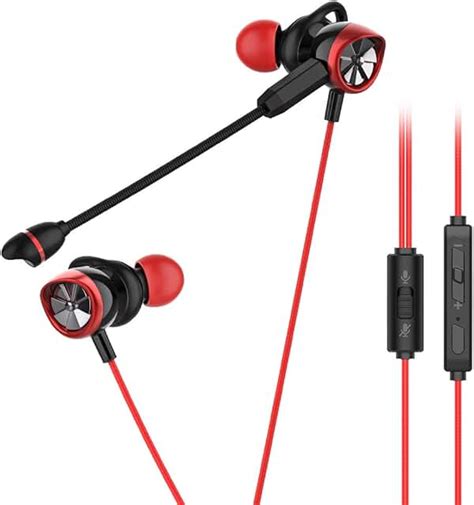
In-ear monitors (IEMs) are inserted into the ear canal using tips (silicone or foam) to form a seal. Originally developed for stage musicians who needed accurate monitoring with isolation, IEMs are now widely used by audiophiles, commuters, and anyone who wants better passive isolation and more controlled sound. IEMs come in single-driver, multi-driver, or hybrid configurations and in both wired and wireless variants.
Detailed Product Analysis
Design and Fit
Earbuds are typically shaped to conform to the outer ear. Their fit prioritizes comfort and universality; a one-size design often aims to fit many ears reasonably well. Because they do not form an acoustic seal, earbuds can feel less intrusive and may be preferred for people who dislike plugging their ears.
IEMs are designed for a sealed fit. They rely on ear tips to create a physical barrier between the ear canal and the environment. This seal improves low-frequency performance (bass) and reduces ambient noise via passive isolation. For users prioritizing secure fit — for example, runners, musicians onstage, or travelers on noisy planes — IEMs frequently outperform earbuds in stability and isolation.
Sound Signature and Performance
Sound is where the two diverge significantly. Earbuds generally exhibit a more open and airy presentation because they allow some sound to mix with ambient noise. This can create a perceived sense of a wider soundstage for casual listening but often at the cost of bass impact and detail. Many mass-market earbuds are tuned for ease of listening rather than precision.
IEMs offer tighter bass, clearer mids, and more detailed treble because of the sealed coupling and, in many cases, specialized drivers. Multi-driver IEMs use separate drivers (balanced armature, dynamic, or a hybrid) for different frequency bands, allowing for increased resolution and lower distortion at moderate volumes. That technical complexity can make IEMs more revealing of subtle recording differences, making them valuable to critical listeners and professionals.
Noise Isolation and Active Noise Cancellation (ANC)
Earbuds typically provide limited passive isolation. Many modern earbuds pair this with active noise cancellation, which electronically reduces ambient sounds. ANC works best when there's at least some seal and good-fit contact; completely open earbuds may not allow ANC to perform optimally.
Looking for the best Electronics deals on Amazon?
Shop Amazon →IEMs naturally provide strong passive isolation due to the ear-tip seal. This makes them effective at attenuating external noise even without ANC. Some IEMs include hybrid ANC as an additional feature, combining the benefits of passive and active solutions for better performance on airplanes, trains, and busy streets.
Durability, Portability, and Convenience
Earbuds, especially true wireless models, emphasize portability and convenience. Compact charging cases, short setup times, and lightweight construction make them ideal for everyday commuting and short listening sessions. However, tiny internal batteries and exposed connectors can make some designs vulnerable to drops and moisture unless specifically ruggedized.
IEMs vary widely. High-end custom-fit IEMs and professional models often use durable materials and detachable cables (for wired variants), making them serviceable and long-lasting. Universal-fit IEMs can be very portable but may come with more accessories (tip sets, carrying cases) to help with fit and maintenance.
Use Cases and Who Should Choose Which
- Commuters and travelers: IEMs (with ANC or good passive isolation) can reduce engine and crowd noise, making them a strong choice.
- Office calls and casual listening: Earbuds with good microphones and stable Bluetooth are convenient for meeting calls and general media use.
- Musicians and audio professionals: IEMs are designed for accurate monitoring and isolation on stage and in the studio.
- Exercise and outdoor activities: Sport-focused earbuds are less intrusive and often sweat-resistant; some prefer open-ear designs for safety and situational awareness.
- Audiophiles: IEMs, especially multi-driver models, tend to offer more resolving sound and customization through tip choices and cables.
Pros & Cons
Earbuds
- Pros: Comfortable for long wear for many people; non-invasive; easily pair with devices; lightweight and portable; often cheaper on average.
- Cons: Limited bass and passive isolation; sound can leak; less accurate for critical listening; performance depends heavily on fit and placement.
IEMs (In-Ear Monitors)
- Pros: Excellent passive isolation; strong bass response and clarity; available in very high-fidelity multi-driver configurations; secure fit for performance and travel.
- Cons: Can feel intrusive to some users; requires tip experimentation to get the best seal; generally higher price range for premium models; potential for ear fatigue at high volume if not fitted properly.
Side-by-Side Comparison
| Feature | Earbuds | IEMs |
|---|---|---|
| Fit | Resting on outer ear, non-sealing | Insert into ear canal, sealing tips |
| Passive Isolation | Low | High |
| Sound Detail | Moderate, tuned for casual listening | High, especially multi-driver models |
| Portability | Very high (especially true wireless) | High, but often with accessories |
| Use Cases | Calls, casual music, workouts | Professional monitoring, commuting, audiophile listening |
| Hygiene & Maintenance | Easy to clean, less deep-contact | Requires regular tip cleaning, deeper contact |
| Price Range | Low to high (many affordable choices) | Mid to very high (professional/custom options raise price) |
Buying Guide: How to Choose Between Earbuds and IEMs
1. Define the Primary Use Case
First, identify how the device will be used most often. If the priority is casual podcast listening, taking occasional calls, and minimal fuss, earbuds may be the most practical choice. If the user spends hours on trains, works in noisy environments, performs onstage, or prioritizes sound fidelity, IEMs are likely a better match.
2. Consider Fit and Comfort
Comfort is subjective. Earbuds are less invasive and can be worn for extended periods without feeling plugged. IEMs require trying different tip materials and sizes (small/medium/large foam or silicone) to achieve comfort and a proper seal. A correct seal for IEMs not only improves sound but also reduces the need to increase volume, protecting hearing health.
3. Evaluate Noise Control Needs
Decide whether passive isolation (IEMs) or electronic noise cancellation (earbuds or IEMs with ANC) is necessary. For consistent loud environments, passive isolation from IEMs often provides better attenuation without battery drain. For fluctuating noise, ANC-equipped earbuds or IEMs can greatly improve clarity at low volumes.
4. Prioritize Audio Quality vs. Convenience
Quality-driven listeners should compare frequency response, driver technology, and distortion figures where available. Measurements and reviews from trusted audio reviewers can be helpful. For those prioritizing convenience, look at battery life, Bluetooth codecs (aptX, AAC, SBC, LDAC), and device compatibility.
5. Check Microphone and Call Performance
Many earbuds include multiple microphones and beamforming for clearer voice pickup. IEMs with integrated mics have improved considerably, but the ergonomics of true wireless earbuds are often optimized for hands-free calling. Pay attention to noise-reduction features for calls if communication is important.
Looking for the best Electronics deals on Amazon?
Shop Amazon →6. Consider Durability and Serviceability
For users who expect heavy usage, look for sweat/water resistance ratings (IPX). IEMs with detachable cables perform better over time since cables are commonly the first component to fail. Confirm warranty terms and whether tips, cables, or other consumables are readily available.
7. Budget and Value
Set a realistic budget. Earbuds offer solid performance at low to mid price points and are generally more affordable for casual users. IEMs span from accessible to premium, with custom-molded professional models costing significantly more. Consider what features deliver the most value for the intended use.
8. Try Before Buying (When Possible)
Audio is personal. Trying devices in-store or taking advantage of generous return policies helps determine real-world fit and sound. When testing, bring familiar tracks: music with layered vocals, deep bass, and complex instrumental passages reveal differences more reliably than unfamiliar demo tracks. Also test calls, and wear them for at least 15–30 minutes to evaluate comfort.

9. Technical Considerations
- Impedance & Sensitivity: These influence how loud a device will play with a given source. Higher impedance may require a more powerful source for optimal performance.
- Driver Type: Earbuds typically use simple dynamic drivers. IEMs may use balanced-armature drivers that deliver precision in certain bands, dynamic drivers for full-range output, or hybrids combining both.
- Detachable Cables & Wireless Options: Consider the advantage of replaceable cables for longevity, or the convenience of wireless operation (and its battery trade-offs).
- Bluetooth Codecs and Latency: Users who watch video or game should favor codecs and devices that minimize latency. True wireless designs can vary in synchronization performance.
Real-World Use Cases and Buyer Concerns
Buyers frequently ask whether earbuds or IEMs are "better." The honest answer is that each excels in different contexts. For example:
- Daily commuter: An IEM with good passive isolation or an earbud with strong ANC reduces fatigue caused by ambient noise and allows the listener to keep volume lower.
- Office worker: Comfortable earbuds with reliable microphones may be preferred for frequent video calls, while IEMs deliver better private listening during concentration sessions.
- Gym-goer: Sweat-resistant earbuds with secure fit options are often favored; some runners prefer open or semi-open ear designs for situational awareness.
- Performer/musician: IEMs with accurate monitoring and detachable cables are standard for live performance because they combine fidelity with isolation from stage noise.
- Audiophile at home: High-end IEMs used with a portable DAC/amp can rival the clarity of larger headphones while maintaining portability.
Maintenance and Hearing Safety
Both earbuds and IEMs require periodic cleaning to prevent earwax buildup, hygiene issues, and performance degradation. IEM tips should be removed and cleaned regularly; foam tips can wear out and lose their seal over time. Volume management is critical: because IEMs isolate more effectively, users may be tempted to listen at lower levels, which is safer in the long term. Conversely, earbuds that leak sound can tempt higher volumes in noisy environments — a hazard to hearing over time.
Conclusion
Choosing between earbuds and IEMs requires balancing comfort, sound preferences, noise control, and intended use. Earbuds excel at non-intrusive, convenient listening and often cost less, while IEMs offer superior isolation and the potential for greater detail and precision. Real-world considerations—commute noise, call quality, workout compatibility, and willingness to experiment with tips—should guide the decision. By evaluating primary use cases, trying devices when possible, and focusing on fit and technical features that matter most, buyers can select the product that will deliver the best day-to-day experience.